How to Choose a Bike Frame Size Without a Fitting
Learn how to choose a bike frame size without a professional fitting. Measure your inseam, use manufacturer geometry charts, and understand standover clearance to find the right fit.
 By Delia Cochran
Updated September 16, 2026
By Delia Cochran
Updated September 16, 2026
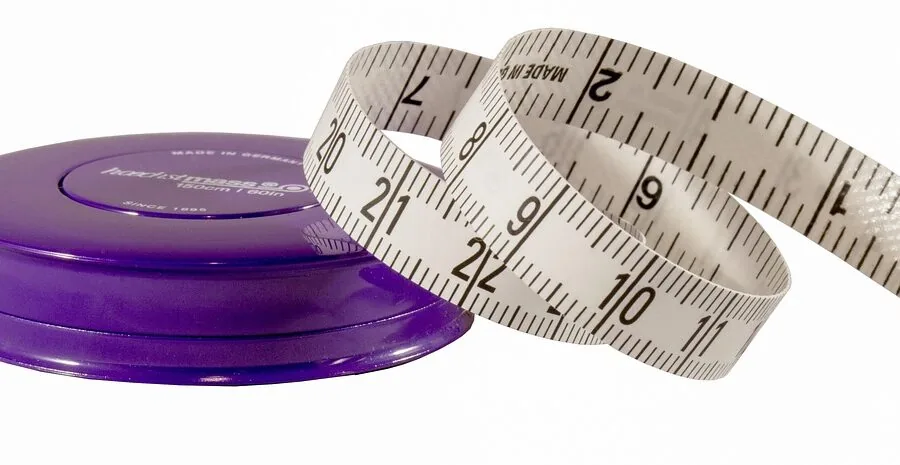
Choosing the right bike frame size can feel like a guessing game, especially when you don’t have access to a professional fitting.
A frame that is too large or too small can lead to discomfort, inefficient pedaling, and even injury. Fortunately, you can narrow down your size using your height, inseam, and the geometry numbers provided by the manufacturer.
This guide will walk you through the simple measurements and concepts you need to know, including what standover clearance really means and how to interpret a sizing chart, so you can confidently pick a bike that fits you well.
Measure Your Inseam Correctly
Your inseam is the most important measurement for bike sizing. Unlike height, which gives a rough range, inseam directly relates to standover height and seat tube length. Here is how to measure it accurately at home:
- Stand against a wall with your feet about six inches apart. Wear the shoes you plan to cycle in for the most accurate measurement.
- Place a book between your legs, spine up, and pull it up snugly against your crotch, mimicking the pressure of a bike saddle.
- Mark the top of the book on the wall, then measure from that mark to the floor. This number is your inseam. Repeat a couple of times and take the average.
Use your inseam as the starting point when comparing with manufacturer geometry. Many brands publish a minimum standover height; your inseam should be slightly greater than that number to ensure safe clearance.
Use Manufacturer Geometry Charts
Almost every bike brand provides a geometry chart for each model. These charts list frame size (often in centimeters or labels like S, M, L) along with key dimensions: seat tube length, top tube length, reach, stack, and standover height.
Do not rely solely on the size label because a medium from one brand can feel very different from another brand’s medium.
Start by finding the size that suggests a range including your height in a size chart. Then, cross check with your inseam.
Most road bikes and hybrid bikes use a formula where you multiply your inseam in centimeters by 0.65 to get a rough seat tube length.
For mountain bikes, the calculation is a bit different, but the principle is the same: match your inseam to the standover height listed, allowing at least an inch of clearance for road bikes and two inches for mountain bikes.
If the numbers look promising on paper, note the reach and stack values. Reach is the horizontal distance from the bottom bracket to the top of the head tube; it determines how stretched out you will be.
Stack is the vertical height. A comfortable fit balances these with your torso length, which you can estimate by subtracting your inseam from your height.
Understand Standover Clearance
Standover clearance is the space between the top tube and your body when you straddle the bike with both feet flat on the ground. It is a safety and comfort check.
For road bikes, you generally want one to two inches of clearance; for mountain bikes, two to three inches are recommended because uneven terrain can cause the bike to move underneath you.
To check standover clearance without a bike in hand, look at the manufacturer’s listed standover height. Your measured inseam should be at least that number plus the recommended clearance.
If the standover height is greater than your inseam, the frame is likely too large for safe dismounts. Conversely, excessive clearance may indicate a frame that is too small, which can feel cramped.
Check Reach and Stack for Upper Body Fit
Once the standover clearance is good, turn your attention to reach and stack. Reach affects how far you lean forward, and stack affects how upright your torso sits.
A common rule of thumb: your torso length (height minus inseam) should roughly match the combination of reach and the horizontal component of the stem length.
When you are between two frame sizes, think about your riding style. If you want a more aerodynamic position (common for road cycling), a slightly longer reach might work.
If you prefer an upright, comfortable ride, choose a shorter reach or a taller stack. You can always adjust stem length by a few centimeters, but changing the frame size is much harder after purchase.
Consider Seatpost and Stem Adjustability
Even a well-sized frame can be fine tuned with a different seatpost or stem. Seatposts come in various setback lengths (offset) that move the saddle forward or backward relative to the bottom bracket.
Stems vary in length and angle, allowing you to change reach and handlebar height.
If your ideal frame size is not in stock or you find a great deal on a slightly different size, check whether a simple stem swap can bring the fit into a comfortable range.
You may need to add a longer stem if the reach is too short, or a shorter stem if you feel stretched. This is especially useful for used bikes or limited inventory.
However, avoid making drastic changes; if standover clearance forces you to size down, a longer stem may help, but it cannot fix a frame that is fundamentally too small.
evaluation Ride and Evaluate Feel
Numbers are a great starting point, but nothing replaces sitting on the bike. If you can visit a local shop, ask to straddle the bike and check standover clearance yourself. Then, sit on the saddle and hold the handlebars.
Your arms should have a slight bend, and you should not feel like you are reaching too far or cramped. Pedal a few rotations if possible to feel if the top tube is not too long.
If a evaluation ride is not an option, measure the effective top tube length and compare it with your arm span. A common approximation is that your arm span should be roughly equal to your height.
The distance from the saddle nose to the handlebar center should be about the length of your forearm to your fingertips. For a more detailed guide on specific bike types, browse our bicycles section where we cover different categories.
Frequently Asked Questions
What is standover clearance and why does it matter?
Standover clearance is the space between the top tube and your crotch when you straddle the bike with feet flat on the ground. It matters because it ensures you can safely dismount and avoid injury in unexpected stops.
Insufficient clearance means the top tube can press against your body, which is painful and dangerous.
Can I ride a bike that is one size too big or too small?
You can adjust to a slightly larger or smaller frame with stem, seatpost, and saddle adjustments, but there are limits. A frame that is too large will have excessive reach and standover height, making it hard to control.
A too small frame may feel cramped and cause knee pain. It is always better to get a frame that is close to your ideal numbers, especially for endurance riding.
How do I know if the reach is right for me?
A good way to check reach is to sit on the bike and look at your elbow angle. With direct the hoods (or flat bar grips), your elbow should be slightly bent, not locked.
Also, you should be able to lean forward without straining your lower back. If you feel like you are reaching too far or too close, adjustments to stem length can fine tune it.
Should I use the same size for mountain bikes and road bikes?
Not necessarily. Mountain bikes typically have a longer top tube and taller standover height, plus a more upright riding position. Many riders size down for mountain bikes to improve maneuverability, while road bikes often fit true to size.
Always rely on the specific geometry chart for the model you are considering, not a general size label.
Do I still need a professional fitting after choosing a size?
If you have used measurements and geometry charts, you do not necessarily need a fitting for basic comfort. However, a professional fitting can fine tune saddle height, fore/aft position, and handlebar reach for optimal power and efficiency.
It is especially beneficial if you ride long distances or experience pain. Even if you skip a fitting, regularly check that your bicycle helmet for men fits securely and your gear, like a bicycle light, is mounted properly for safety.
About the author
Delia is LAT Review's shopping editor, covering seasonal price cycles, sales events, and the fine print behind return policies, warranties, and store hours. She digs into the timing and the rules that decide whether a listed discount is a real one.