How to Judge Upholstery Fabric Durability Before Buying
Learn how to evaluate upholstery fabric durability before you buy. Understand rub counts, weaves, fiber blends, and what holds up best in homes with pets and children.
 By Delia Cochran
Updated September 16, 2026
By Delia Cochran
Updated September 16, 2026
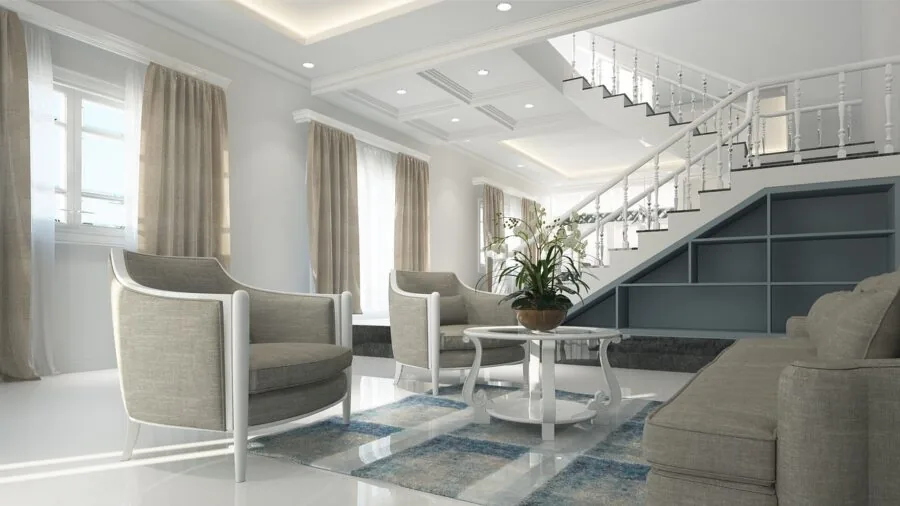
You have found the perfect sofa or accent chair, but the fabric that covers it can make or break your satisfaction over time. Upholstery fabrics vary widely in their ability to withstand daily wear, pets, children, and sunlight.
Knowing how to evaluate durability before you commit can help you invest in a piece that lasts. This guide explains the key factors to examine: rub counts, weave types, fiber blends, and more.
Understanding Rub Counts: Wyzenbeek and Martindale
One of the most objective measures of fabric durability is its rub count, also known as abrasion resistance. Two common evaluation methods produce a number of double rubs the fabric can withstand before showing wear.
The Wyzenbeek evaluation is more common in North America, while the Martindale method is used globally. Higher numbers generally indicate greater durability.
For residential use, a Wyzenbeek count above 15,000 is considered heavy duty, while Martindale counts above 20,000 are suitable for high traffic. Keep in mind that these numbers are just one piece of the puzzle; weave and fiber also matter.
When shopping, look for fabrics labeled with high rub counts, especially if you expect heavy use. Many performance fabrics boast counts well above 30,000. However, do not base your decision solely on this number.
A tightly woven fabric with a moderate rub count can sometimes outperform a loosely woven fabric with a high count in real world conditions.
The Role of Weave and Construction
The weave of a fabric greatly influences its durability. Tight weaves, such as twill, denim, and microfiber, resist snagging and pilling better than loose weaves like chenille or bouclé.
Flat weaves (e.g., linen look) tend to be more durable than looped or pile fabrics because there are fewer loops to pull.
If you love the plush feel of velvet, consider a performance velvet made from synthetic fibers with a dense pile, which can handle moderate traffic.
For high traffic areas like family rooms, a tight weave with a smooth surface is often a wise choice.
When evaluating a piece of furniture, run your hand over the fabric. Does it feel sturdy? Can you see the weave gaps?
If the weave looks loose or you can easily see the backing, it may not hold up well to daily use. For upholstered dining chairs, where seams and edges get a lot of contact, a tight weave is especially beneficial.
Our guide to tufted dining chairs includes many examples of durable fabric choices.
Fiber Content: Natural vs. Synthetic Blends
The fibers used in upholstery fabric determine its strength, stain resistance, and feel. Natural fibers like cotton, linen, wool, and silk offer comfort and breathability but often lack the durability and stain resistance of synthetics.
Pure cotton can fade and wear quickly. Linen wrinkles easily. Wool is resilient but can be expensive and prone to moth damage. Silk is delicate and best reserved for low traffic, formal rooms.
Synthetic fibers such as polyester, nylon, olefin (polypropylene), and acrylic are inherently more resistant to stains, fading, and abrasion. Olefin is particularly good for outdoor and high moisture areas.
Nylon is extremely strong and often used in blends to increase durability. Many performance fabrics are made from solution dyed acrylic or polyester, which resists fading and is easy to clean.
Blends that combine a natural fiber (like cotton) with a synthetic (like polyester or nylon) often offer the best balance of comfort and durability. For accent chairs that see daily use, consider a high quality synthetic blend.
You can find many examples in our roundup of accent chairs.
Choosing Fabric for Homes With Pets and Children
Households with pets and children have unique upholstery needs. Claws, spills, and constant activity require fabrics that are stain resistant, easy to clean, and resistant to snagging. Tight weaves and smooth surfaces are best.
Microfiber (ultra fine polyester) is a popular choice because it repels liquids and resists stains. Performance fabrics with a Crypton or similar finish are treated to block spills and prevent odor absorption.
Leather and faux leather are also excellent for easy cleanup, though they can scratch and may not be ideal for all styles.
When looking at fabrics, check the cleaning code: W (water based cleaner), S (solvent only), or WS (water or solvent). For active homes, choose W or WS so you can spot clean with mild soap and water.
Avoid delicate fabrics with code S, as they require professional cleaning. If you have shedding pets, fabrics with a tight weave and smooth texture are less likely to trap fur.
For help selecting furniture that fits your lifestyle, see our picks for dining chair cushions, which also covers durable cushion fabrics.
Additional Durability Factors
Beyond rub counts, weave, and fiber, consider these aspects:
- Lightfastness: Exposure to sunlight can fade fabrics. Solution dyed fibers or UV resistant treatments help maintain color.
- Pilling: Some fabrics, especially those with shorter fibers, may develop pills over time. Look for fabrics labeled as antipill or those with a tight weave.
- Seam strength: The way seams are constructed matters. Reinforced seams and double stitching add longevity.
- Backing: Some fabrics have a backing that adds stability and prevents slipping. This can be a sign of better construction.
If you are shopping for window treatments, similar principles apply. Durable fabrics for curtains also depend on weave and fiber. Our guide to curtains covers materials that stand up to light and dust.
Frequently Asked Questions
What is a good rub count for upholstery fabric?
For residential use, a Wyzenbeek count of 15,000 or higher is considered heavy duty. For light use, 3,000 to 6,000 may be acceptable. Martindale counts above 20,000 are suitable for high traffic areas.
Is microfiber upholstery durable?
Yes, microfiber (typically polyester) is very durable, stain resistant, and easy to clean. It has a tight weave that resists snagging, making it a top choice for homes with children and pets.
How can I evaluation fabric durability at a store?
Rub the fabric with your fingernail or a key to see if it snags or pills. Check the label for rub count and cleaning code. Pull the fabric gently to see how much stretch there is; minimal stretch often means better durability.
What is the best upholstery fabric for high traffic areas?
Performance fabrics made from solution dyed polyester or olefin, or tightly woven microfiber, are excellent choices. They resist stains, fading, and wear. Blends with nylon also add strength.
Can I treat upholstery fabric to make it more durable?
Stain guard treatments can improve resistance to spills and dirt, but they do not increase abrasion resistance. For better durability, choose a fabric with a high rub count and tight weave from the start.
About the author
Delia is LAT Review's shopping editor, covering seasonal price cycles, sales events, and the fine print behind return policies, warranties, and store hours. She digs into the timing and the rules that decide whether a listed discount is a real one.